Compare asphalt shingles, metal, tile, and low-slope roofing systems. Get practical guidance for Utah snow, wind, and summer heat.
Utah roofing isn’t “one-size-fits-all.” Along the Wasatch Front and surrounding counties, roofs deal with heavy snow loads, freeze–thaw cycles, spring wind events, and intense summer UV. The right roofing type depends on your home’s slope, budget, neighborhood requirements, and how long you plan to stay.
RoofNut installs and services multiple roofing systems. Most of our work is asphalt shingle roofing because it offers the best balance of performance and value for typical Utah homes. We also complete metal, tile, and low-slope systems when the project calls for it. Below is a detailed guide to the most common roofing types you’ll see in Northern Utah, including advantages, tradeoffs, and who each option is best for.
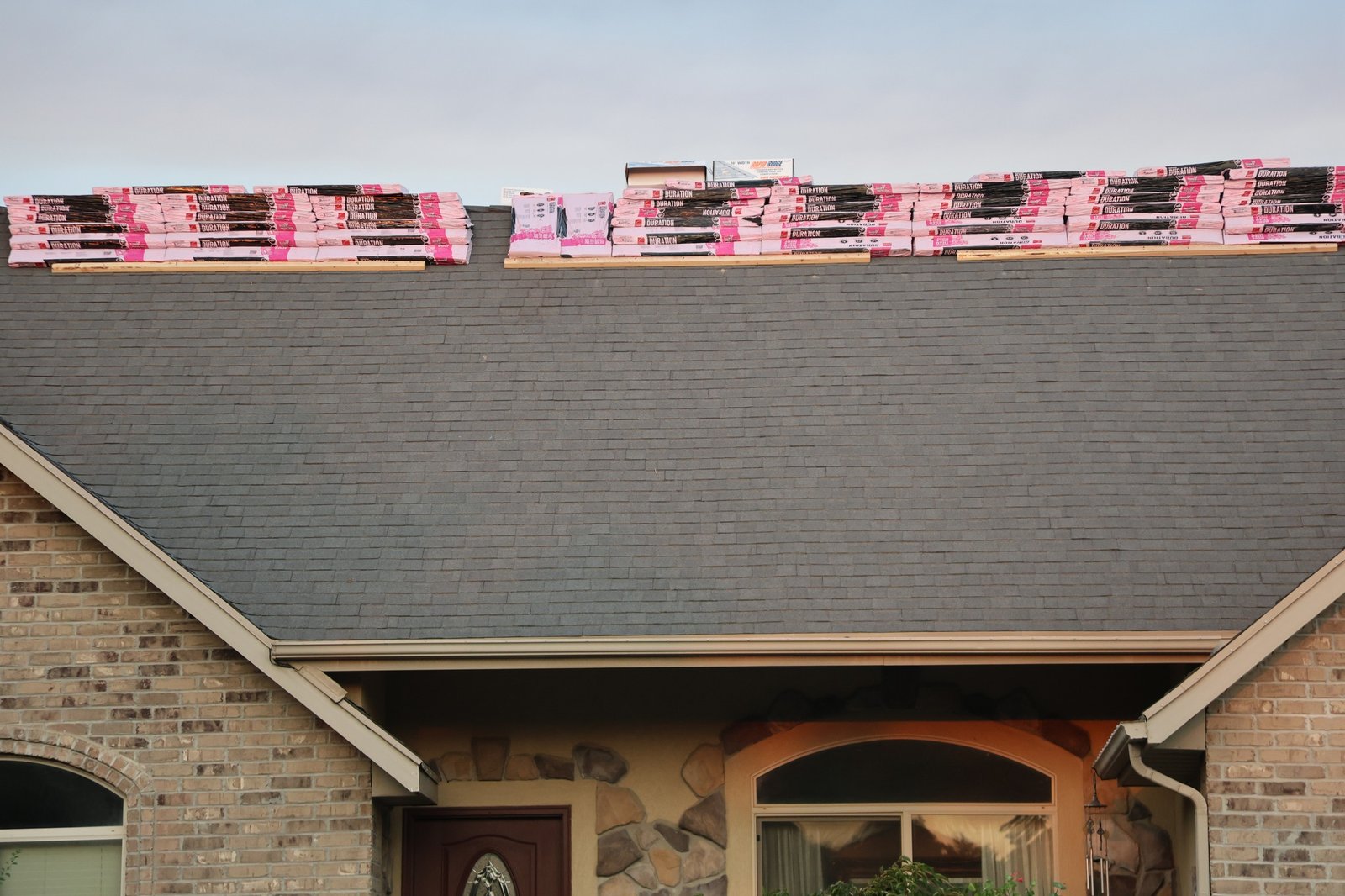
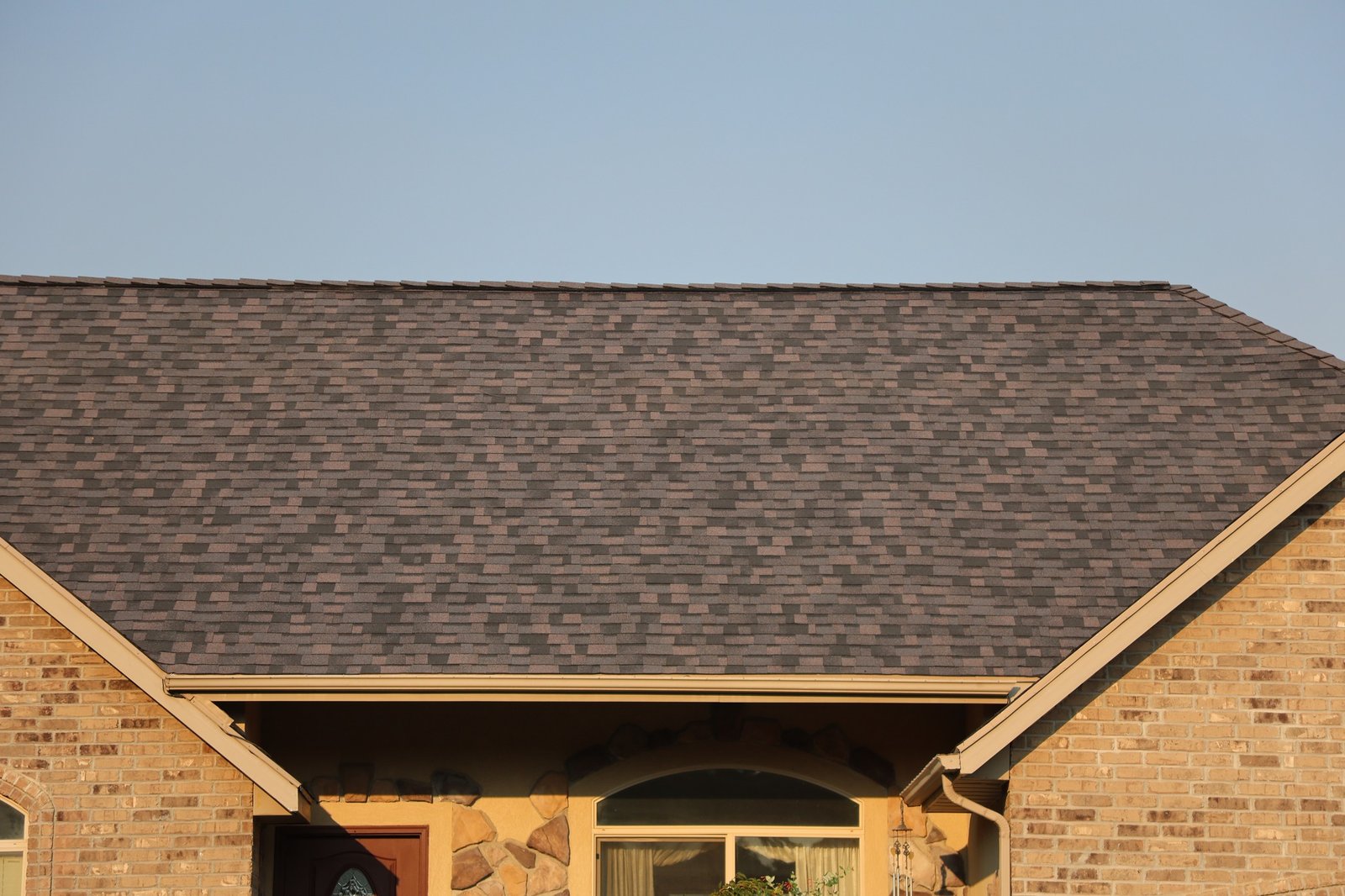
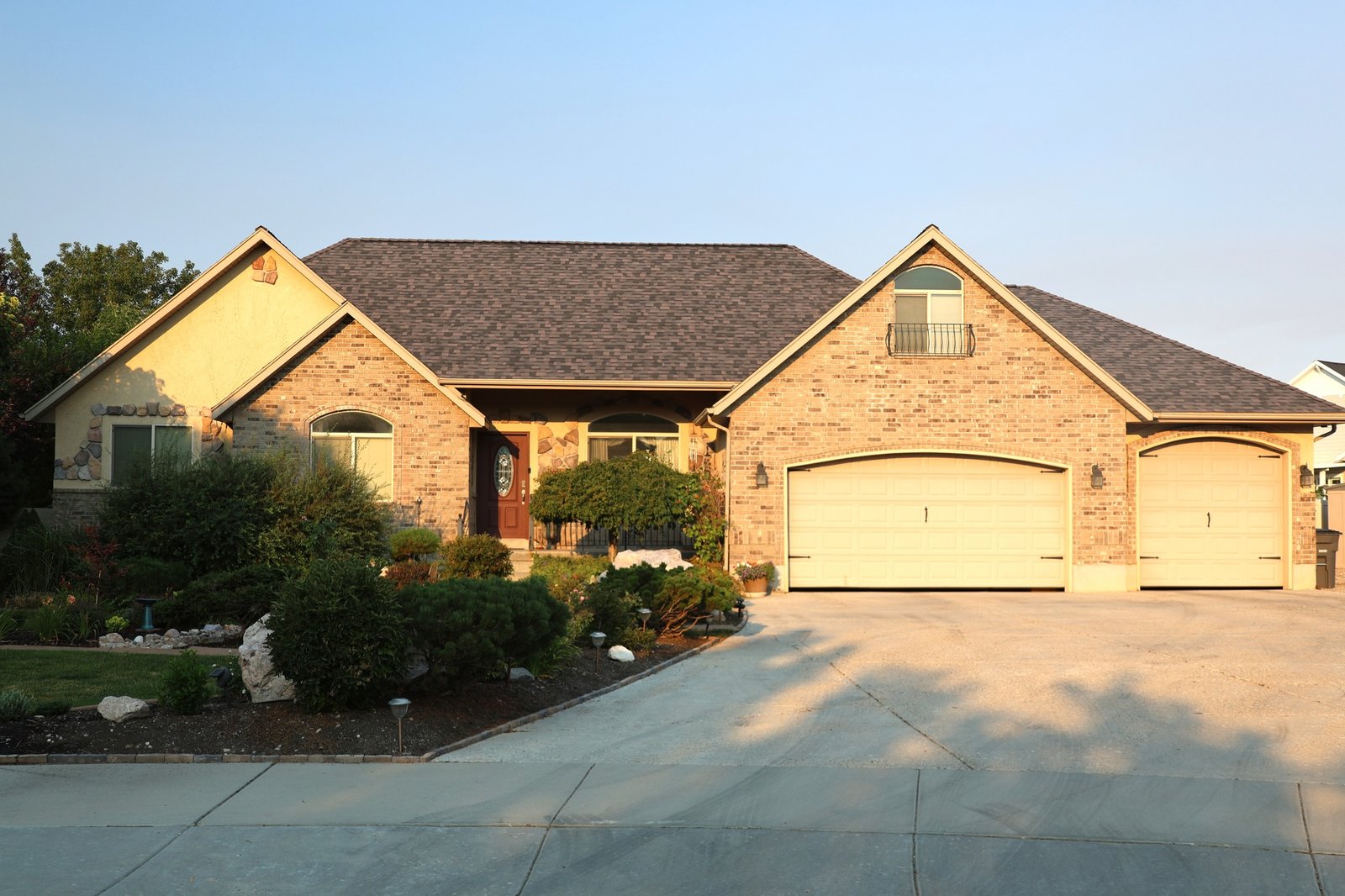
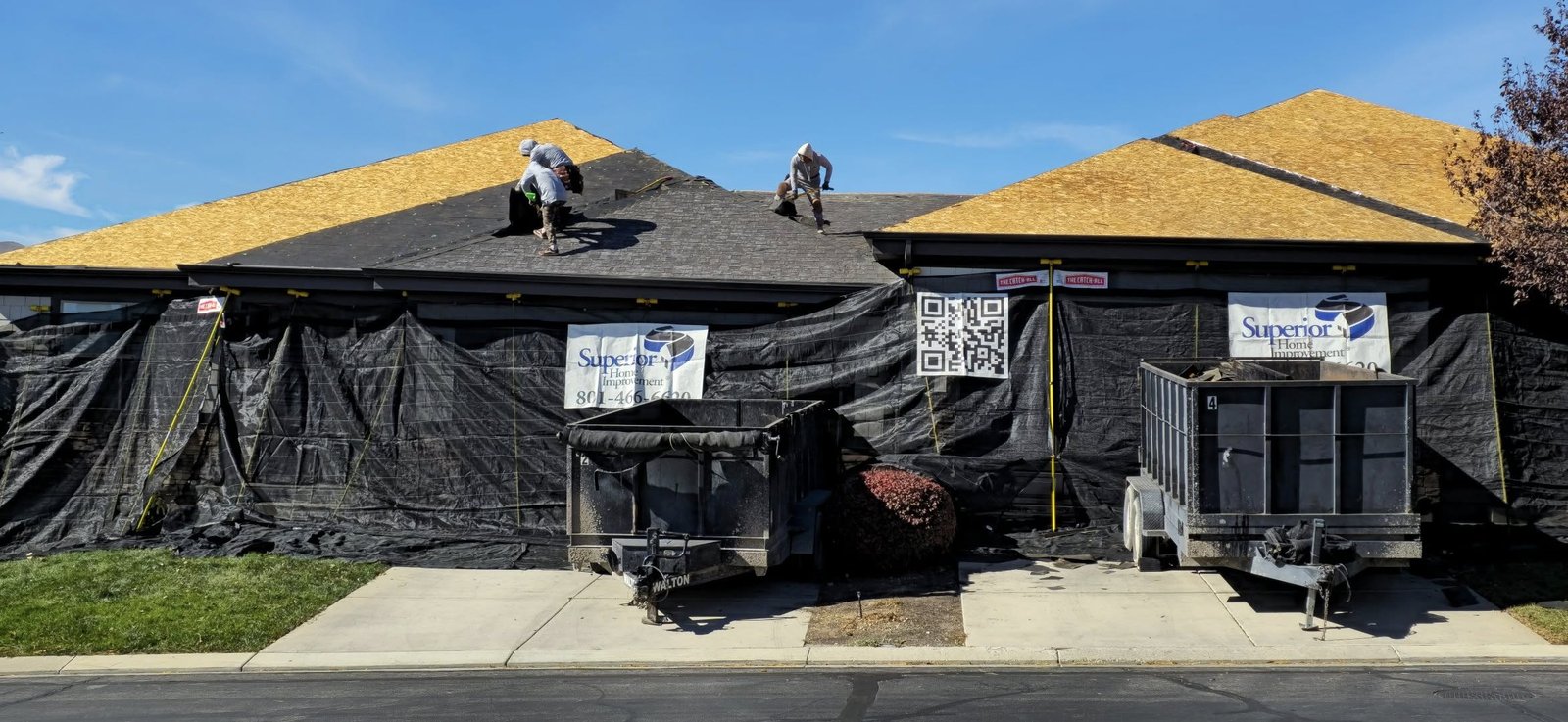
Here are a few recent projects from our team. As we collect more material-specific photos (metal, tile, and low-slope), we’ll expand this gallery to help you compare styles and finishes.


Asphalt shingles are the most common residential roof covering in Utah. They’re cost-effective, widely available, and perform well when installed as a complete system (underlayment, ice & water protection where needed, proper ventilation, and correct flashing).
Asphalt typically has a shorter lifespan than metal or tile. UV exposure and ventilation issues can accelerate aging. If you want maximum longevity or plan to stay in the home for decades, metal or tile may offer better lifetime value.
Most Utah homes in Salt Lake County, Davis County, Weber County, and Utah County—especially homeowners who want strong value and easy repairability.
Metal roofing is a premium option that’s especially attractive in snow-heavy areas, wildfire-risk zones, or for homeowners who want a long-life roof with low maintenance. Metal systems must be installed correctly to prevent fastener issues and flashing leaks.
Metal roofing has a higher upfront investment. Some homes may require snow retention solutions to control sliding snow. The best results come from experienced installation with correct underlayment and flashing details.
Homeowners who want long-term value, strong snow performance, and a premium look—especially in higher elevation areas like Park City and nearby communities.
Tile roofs (concrete or clay) can offer exceptional lifespan and a distinctive, upscale appearance. Tile is less common in Utah than asphalt, but it’s used in some high-end neighborhoods and specific architectural styles.
Tile is heavy. Some homes require structural evaluation or reinforcement—especially in snow regions. Tile repairs also require care to avoid breaking adjacent pieces.
Premium homes where aesthetics and long lifespan are priorities, and where the structure supports tile safely.
Many Utah homes have low-slope sections—porch covers, additions, garages, or modern rooflines. Low-slope roofing is about water management. Details like drains, scuppers, edge metal, and flashing are critical.
If your asphalt shingle roof is aging but still structurally sound, rejuvenation can be a cost-effective option to extend service life. It’s not a fix for major failures, but it can be a smart “middle option” between constant repairs and full replacement (read repair vs replacement).
The “best” roof depends on your budget, roof pitch, ventilation, and where you live (snow exposure and wind). We’ll walk you through options and recommend the smallest solution that solves the problem.
For most homes, architectural asphalt shingles perform very well when the roof system is built correctly with proper underlayment, ice and water protection, flashing, and ventilation. Metal roofing can shed snow more easily and may be a great option in higher elevation areas or where heavy snow loads are common.
Metal and tile roofing systems can often last 40–70 years or longer with proper installation and maintenance. Architectural asphalt shingles commonly last around 25–35 years depending on sun exposure, ventilation, and overall roof system quality.
Architectural asphalt shingles are typically the most cost-effective roofing option for Utah homes while still providing strong durability and wind resistance. They offer a good balance between price, performance, and appearance, which is why they are the most common residential roofing material across Northern Utah.
It can be slightly louder during rain or hail, but a properly installed metal roof over solid decking with quality underlayment and attic insulation usually minimizes noise. Sound differences are typically small in well-built homes.
Tile roofing is heavier than most other materials, so some homes may require structural evaluation or reinforcement, especially in snow-prone areas of Utah. A roofing inspection can determine whether your structure can safely support a tile roof system.
Many architectural shingle roofs last between 25 and 35 years in Utah. Actual lifespan depends on ventilation, installation quality, sun exposure, and how well the roof system manages snow and moisture.
In many Utah roofing systems, yes. Ice and water protection is often installed at eaves, valleys, and other vulnerable areas to help prevent leaks caused by snow melt and ice dams.
Rejuvenation can be a smart option for asphalt shingles that are aging but still structurally sound. It can help restore flexibility and extend roof life. Roofs with widespread damage, leaks, or structural problems usually require repair or replacement instead.
Request a quote or call 801-890-ROOF(7663).